UCSF: I’m a Microplastics Researcher. Here’s How To Limit Their Dangers
More than 80,000 registered chemicals are used commercially in the US. Less than a dozen are regulated.
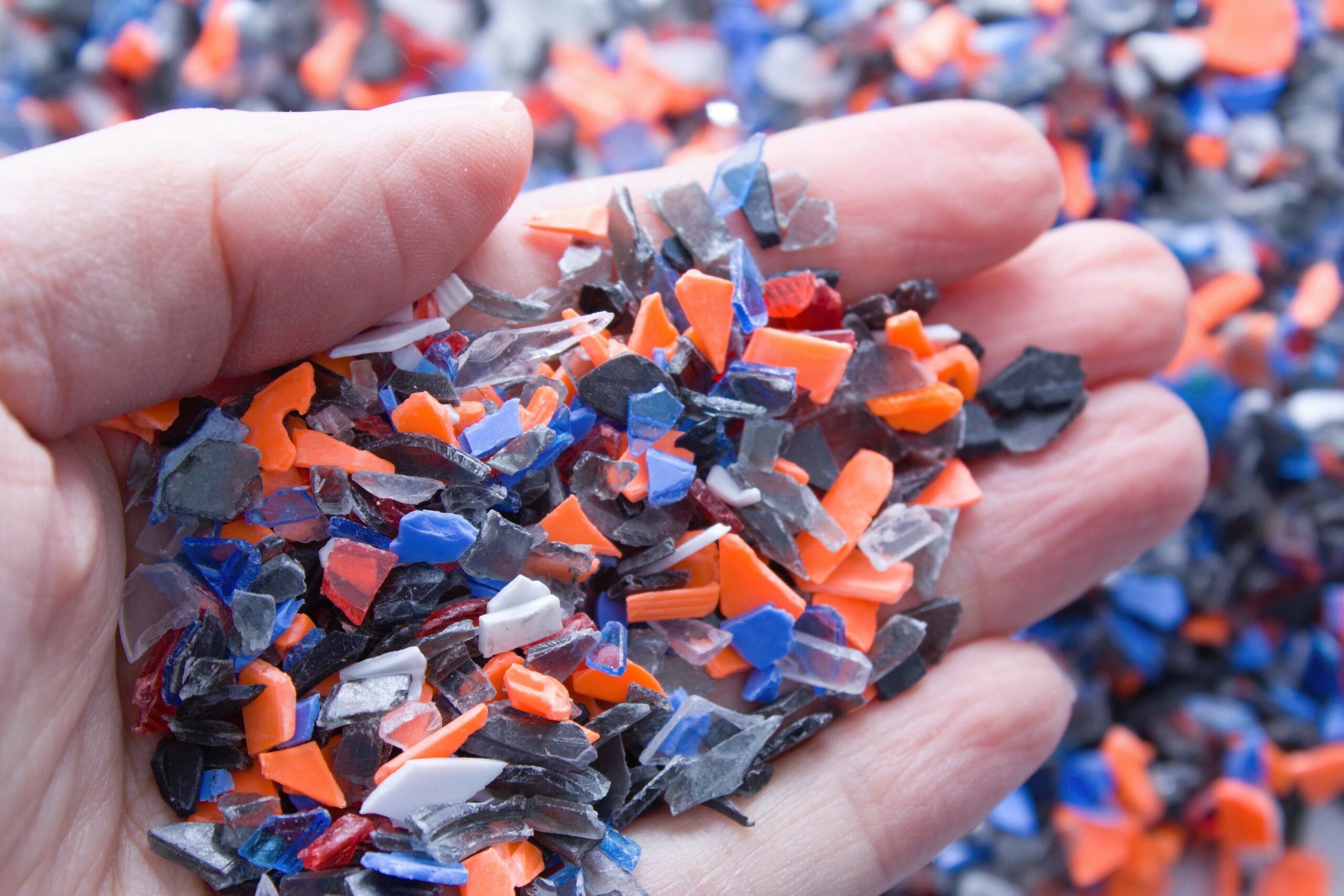
An invisible invasion by land, air and sea: Microscopic plastic pieces are in the food we eat, the air we breathe and the water we drink – bottled or not.
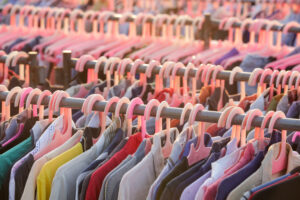
For more than three decades, UC San Francisco Professor of Obstetrics and Gynecology and Reproductive Sciences Tracey Woodruff, PhD, MPH, has researched how the toxic chemicals that surround us in modern life make us sick, like those in microplastics. Sometimes only about the width of a human hair, microplastics are the insidious byproduct of everyday items like packing materials, car tires, synthetic clothes as they degrade and even some scrubbing face washes.
Woodruff and University of California colleagues reviewed nearly 2,000 scientific studies about microplastics’ health risks in 2022 at the request of California legislators seeking advice for future policies. The available evidence from animal studies led them to warn that ingested microplastics appear to reduce fertility and may increase the risk of cancer, particularly in the digestive tract.
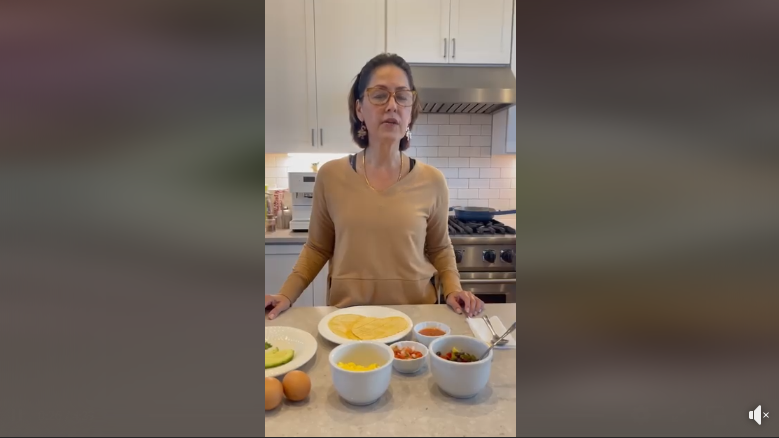
Here’s how Woodruff’s research changed what she eats to what cleaning products she has under her sink – and how what she’s learned can help you, too.
 Previous Post